Best Homemade Wine Recipes
As an Amazon Associate we earn from qualifying purchases. How we choose products.

On this page
These are the homemade wine recipes we would hand a friend: 46 recipes, from classic red grape to blackberry, plum, mango and dandelion wine, plus mead, cyser and hard cider, almost all written for a one-gallon batch that fits on a kitchen counter. Each one names its source, usually a university extension guide or the recipe collection of Jack Keller, the wine judge whose recipes most hobby winemakers still work from.
Three recipes are printed in full on this page: grape wine, blackcurrant wine and mixed berry wine. Every other wine has its own page with a recipe card, a step-by-step method, the best yeast for that fruit and a 5 gallon table. If you have never made wine before, read what every recipe assumes first; it covers the gear and the additives once, so the recipes can stay short.
Homemade Wine Recipes by Type
Grape Wines
-
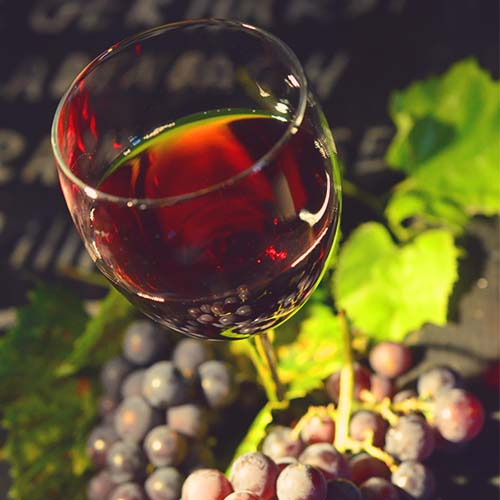 Grape WineFresh red grapes, crushed and fermented on the skins. Recipe on this page.
-
 Making Muscadine Wine at HomeThe Southern grape, red or white.
-
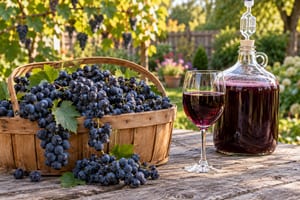 Concord Grape Wine Recipe: From Backyard GrapesA dry red from backyard Concord grapes.
-
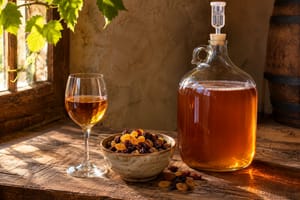 Raisin Wine Recipe: Homemade Wine From RaisinsGolden or dark raisins, a wine for any time of year.
Berry Wines
-
 Blackberry Wine RecipeLate-summer berries, deep color.
-
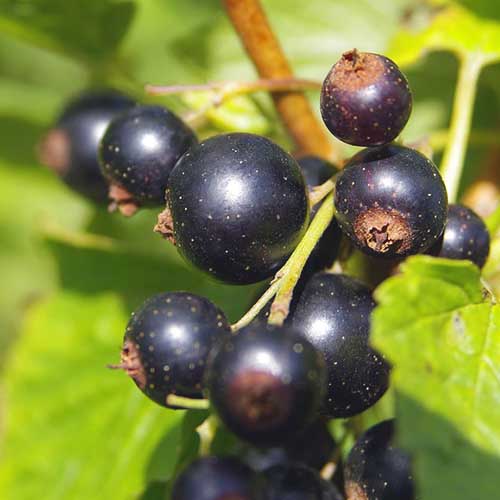 Blackcurrant WineIntense and tart, so it needs less fruit. Recipe on this page.
-
 Raspberry Wine RecipeA light, fragrant fruit wine.
-
 Blueberry Wine RecipeFresh or frozen berries both work.
-
 Strawberry Wine RecipeDelicate color; best made in early summer.
-
 Cranberry Wine RecipeHigh acid fruit, diluted for balance.
-
 Elderberry Wine RecipeDeep red, with an important safety step.
-
 Mulberry Wine Recipe: Two Easy 1 Gallon VersionsTwo one-gallon versions, with raisins or grape concentrate.
-
 Mixed Berry WineFor a freezer full of odds and ends. Recipe on this page.
Orchard and Stone Fruit Wines
-
 Apple Wine RecipeOrchard apples or store-bought juice.
-
 Pear Wine RecipeA delicate white wine that needs patient racking.
-
 Peach Wine RecipeRipe peaches, a pectic enzyme and patience.
-
 Plum Wine RecipeA rich country wine from any plum variety.
-
 Cherry Wine RecipeSour or sweet cherries, pits left whole.
-
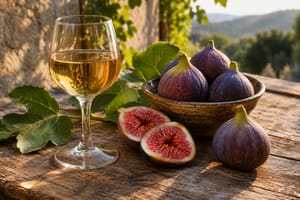 Fig Wine Recipe: Homemade Wine From Fresh FigsFour pounds of fresh figs, pressed gently.
-
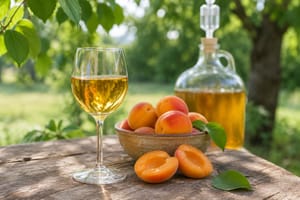 Apricot Wine Recipe: Homemade Wine From Fresh or Dried ApricotsFresh or dried apricots, with golden raisins for body.
Tropical, Melon, Garden and Flower Wines
-
 Banana Wine RecipeAn unusual, budget-friendly country wine.
-
 Pineapple Wine RecipeA tropical country wine.
-
 Watermelon Wine RecipeMade with a second fruit, because melon alone is thin.
-
 Rhubarb Wine RecipeA tart country wine from garden rhubarb stalks.
-
 Dandelion Wine RecipeThe spring flower wine, picked in April and May.
-
 Mango Wine Recipe: 1 Gallon From Fresh MangoesFresh mangoes, a sweet tropical gallon.
-
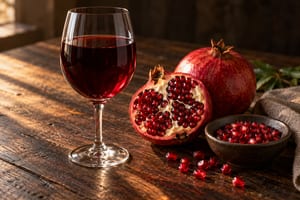 Pomegranate Wine Recipe: Homemade Pomegranate WineRuby seeds fermented on the arils.
-
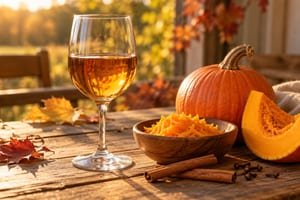 Pumpkin Wine Recipe: Spiced Homemade Pumpkin WineA spiced autumn wine for Thanksgiving.
-
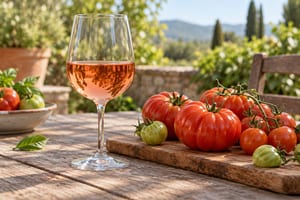 Tomato Wine Recipe: Ripe Red or Green, 1 GallonRipe red or green tomatoes, a surprisingly clean wine.
-
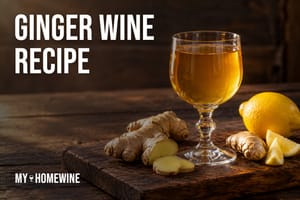 Ginger Wine RecipeA warming old-fashioned wine with fresh ginger root.
-
 Elderflower Champagne RecipeA light sparkling drink, ready in about a week.
-
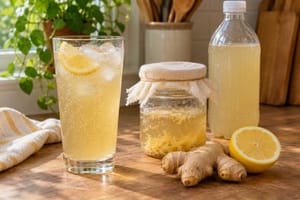 Ginger Beer Recipe: Brew It With a Ginger Bug or a Pinch of YeastA fizzy ginger brew from a bug or a pinch of yeast.
-
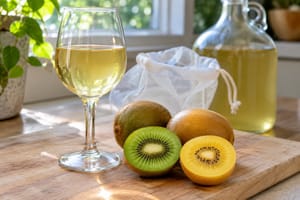 Kiwi Wine Recipe: A Dry White Wine From Green or Golden KiwisGreen or golden kiwifruit, fermented to a dry white.
Citrus, Mead and Apple Juice
-
 Skeeter Pee RecipeThe lemon-based country wine.
-
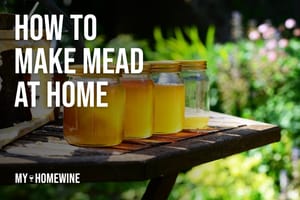 Mead (Honey Wine)Honey, water and yeast, no fruit needed.
-
 Hard CiderApple juice fermented dry, the quickest of all.
-
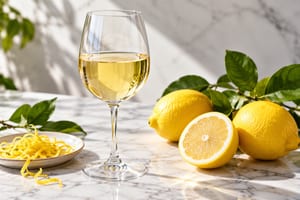 Lemon Wine Recipe: Homemade Wine From Fresh LemonsFresh lemons with body from grape concentrate.
-
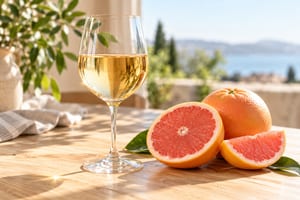 Grapefruit Wine Recipe: Dry or Sweet, From Fresh GrapefruitDry or sweet, from fresh grapefruit.
-
 Dry Mead RecipeHoney, water and yeast, fermented dry.
-
 Cyser Recipe (Apple Mead)Apple juice and honey fermented together.
-
 Blackberry Mead RecipeHoney wine with 3 lb of blackberries.
-
 Blueberry Mead RecipeHoney wine with blueberries, aged for months.
-
 Strawberry Mead RecipeA pink honey wine on frozen strawberries.
-
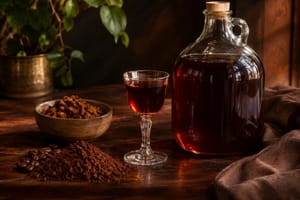 Coffee Wine Recipe: How to Make Coffee Wine at HomeFresh ground coffee or a mocha mix, finished sweet.
-
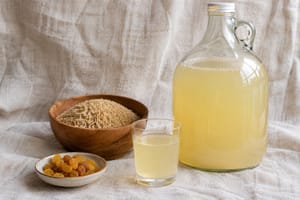 Rice Wine Recipe: How to Make Rice Wine at HomeBrown rice, golden raisins and Champagne yeast.
-
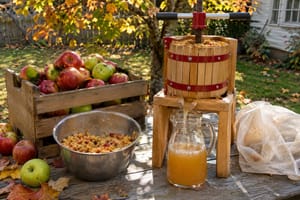 Cider From Fresh ApplesGrind, press and ferment your own apples.
All 46 Recipes Compared
The amount of fruit per gallon tells you most of what you need to know before you shop, and the time to the first glass tells you how long the jug will sit in the closet. The figures come from each recipe card; the times include clearing and any bottle aging the source recommends.
| Recipe | Fruit or base per gallon | Time to the first glass |
|---|---|---|
| Grape | 14 to 16 lb wine grapes, no water | 4 to 8 months |
| Muscadine | 6 to 8 lb muscadines | 1 year or more |
| Blackberry | 4 lb | 6 to 12 months |
| Blackcurrant | 2¾ lb | 2 to 3 months to bottling |
| Raspberry | 3 to 4 lb | About 18 months |
| Blueberry | 2 to 3 lb | 8 to 12 months |
| Strawberry | 3 to 5 lb | 2 to 4 months |
| Cranberry | 3 lb | 3 to 5 months |
| Elderberry | 3 lb, fully destemmed | About 1 year |
| Mixed berry | 4 lb | About 9 months |
| Apple | 7 to 16 lb | 4 to 6 months |
| Pear | 4 to 6 lb | 6 to 12 months |
| Peach | 3 lb | 3 to 6 months |
| Plum | 4 lb | 6 to 12 months |
| Cherry | 3 lb | 4 to 6 months |
| Banana | 4½ lb peeled bananas | 8 to 9 months |
| Pineapple | 4 lb, peeled and cored | 6 to 12 months |
| Watermelon | 6 lb melon plus 1½ lb grapes | About 18 months |
| Rhubarb | 3 lb stalks | 3 to 6 months |
| Dandelion | 3 quarts flower heads | 6 to 12 months |
| Skeeter Pee | Bottled lemon juice (written for 5 gallons) | As soon as it is clear |
| Concord grape | 6 lb Concord grapes | About 6 months in the jug, then 2 years in the bottle |
| Mulberry | 6 lb mulberries | 6 months to 1 year |
| Mango | 3 to 4 lb fresh mango | About 6 months, then 1 year of bottle aging |
| Pomegranate | 10 to 15 ripe pomegranates | 5 days on the seeds, then until clear |
| Pumpkin | 5 lb grated pumpkin | About 5 months, then rest until next autumn |
| Tomato | 4 lb ripe red tomatoes | About 7 days on the pulp, then a year to mature |
| Ginger | 2½ oz fresh ginger root | About 6 weeks to ferment, 2 to 3 months to clear |
| Elderflower champagne | 12 large elderflower heads | About 4 days to ferment, then 2 to 4 weeks in the bottle |
| Lemon | 8 large lemons | About 1 year |
| Grapefruit | 6 large grapefruit | About 5 months to the bottle, then 6 months or more of bottle aging |
| Dry mead | 2.5 to 2.9 lb honey | 2 to 3 weeks fermenting, then weeks to months of aging |
| Cyser | 1 gallon apple juice plus about 1 lb honey | 2 to 3 weeks fermenting, then weeks to months of aging |
| Blackberry mead | 2.5 lb honey plus 3 lb blackberries | 2 to 3 weeks on the honey, 3 to 4 weeks on the fruit, then aging |
| Blueberry mead | 2.5 lb honey plus 2 to 3 lb blueberries | About 1 week on the fruit, then 4 to 6 months of aging |
| Strawberry mead | 2.5 lb honey plus 2 lb strawberries | 2 to 3 weeks in primary, a few weeks on the fruit, then months of aging |
| Mead | 2½ to 3 lb honey | Weeks to months of aging |
| Hard cider | 1 gallon apple juice | 4 to 8 weeks |
Want something to drink soon? Hard cider, strawberry, blackcurrant and Skeeter Pee are the quick ones. Want a wine to put away? Raspberry, watermelon, muscadine and elderberry reward a year or more of waiting.
What Every Recipe Here Assumes
Home wine recipes are short because they share a method. North Dakota State University Extension’s guide Getting Started With Home Winemaking (FN1638, reviewed August 2026) and Virginia Cooperative Extension’s Wine Making for the Home Gardener (2024) both follow the same pattern, and so does almost every card on this site.
The Gear for a One-Gallon Batch
- A food-grade bucket of 2 gallons or more for the primary fermentation, with a cloth or loose lid.
- A nylon straining bag to hold crushed fruit, so you can lift it out later.
- A one-gallon glass jug with a drilled bung and an airlock for the secondary fermentation.
- A hydrometer and test jar, a siphon, a long spoon, and a no-rinse sanitizer.
Our wine making equipment guide goes through each item, and a wine making kit bundles most of them.
The Additives and What They Do
Grapes are one of the few fruits with sugar, acid and tannin in balance, as Clemson’s Home and Garden Information Center puts it, so fruit wines borrow the rest from small additions:
| Additive | What it does | Per gallon in these recipes |
|---|---|---|
| Sugar | Raises the starting gravity; about 1.090 gives roughly 12% alcohol, per Virginia Tech | About 1¾ to 2½ lb |
| Acid blend | Brightens low-acid fruit; too little tastes flat, too much sharp | None (cranberry) to 2¼ tsp (apple) |
| Wine tannin | Adds the slight grip of a red wine; use less if the skins stay in | ⅛ to ¼ tsp |
| Pectic enzyme | Breaks down pectin, which otherwise leaves a haze | ½ to 1 tsp |
| Yeast nutrient | Food for the yeast, in Virginia Tech’s words | 1 tsp |
| Campden tablet | Sulfite that knocks back wild yeast and bacteria before the wine yeast goes in | 1 tablet, crushed |
| Wine yeast | Turns the sugar into alcohol; never use bread yeast | 1 packet |
More detail on each, with doses and alternatives, is in our guide to wine making additives.
Measure the Gravity, Not Just the Sugar
Fruit varies in sweetness from one harvest to the next, so the sugar on any card is an estimate. NDSU’s recipes aim for a starting specific gravity of 1.085 to 1.090. Add most of the sugar, take a hydrometer reading, then add the rest in small amounts until you reach the target. Our sugar calculator does the sum for you.
Sanitize Everything
Anything that touches the must should be cleaned and sanitized first; Virginia Tech uses a solution of potassium metabisulfite and citric acid for equipment. WineMaker magazine’s guide to cleaning and sanitizing explains the difference between the two steps. For the full method behind every fruit recipe, see how to make wine from fruit.
Grape Wine Recipe
Grapes are the easiest fruit to turn into wine, because they need almost nothing added: NDSU notes that grape juice is usually used at full strength, with no water. This card makes one gallon of dry red wine from fresh grapes. It is scaled down from Jack Keller’s Simple Grape Wine, which he wrote for a reader with a vine of unknown grapes and a lot of fruit, and it works with almost any reasonably sweet grape.
If your grapes come as juice, a bottle or a frozen can, follow our grape juice wine recipe instead; the full process for wine grapes, red and white, is in our main guide on how to make homemade wine.
Recipe card
Red grape wine, 1 US gallon
- Makes
- About 5 bottles (750 ml)
- Time to drink
- 4 to 8 months
- Difficulty
- Intermediate
Ingredients
- 14 to 16 lb ripe red wine grapes, sound and free of mold
- No water
- Sugar only if the juice reads below 1.090 (see below)
- 1 Campden tablet, crushed
- ¾ tsp pectic enzyme
- 1 packet red wine yeast, such as Lalvin RC 212
Method
- Crush the grapes in a sanitized bucket, leaving several inches of space at the top.
- Squeeze a cup of juice through a straining bag, read its gravity with a hydrometer and write it down.
- Stir in the dissolved Campden tablet, cover with a cloth and wait 12 hours. Stir in the pectic enzyme and wait 12 more.
- Add the yeast. Two or three times a day, push the cap of skins that rises to the top back down into the juice.
- After about five days, press the grapes and pour the juice into a 1 gallon jug, leaving some space at the top for foam. Fit an airlock.
- If the first reading was under 1.090, add the missing sugar, dissolved in half its volume of boiling water and cooled, once fermentation slows.
- When fermentation is over, rack the wine off the thick sediment, top up, and age it 3 to 6 months before bottling.
Scaled to 1 gallon from Jack Keller’s Simple Grape Wine (Requested Recipes Collection, 2020), a 5 gallon recipe. Grapes per gallon from Cornell University’s Grapes 101: Conversion Factors (2011).
How Many Grapes for a Gallon of Wine
Chris Gerling of Cornell University’s enology extension program, in Grapes 101: Conversion Factors, puts a typical winery yield at 150 gallons of wine per ton of grapes, with a normal range of 120 to 180. That works out at about 13.3 pounds of grapes per finished gallon, or about 2.6 pounds per bottle. A home press squeezes less efficiently than a winery’s, and some wine is lost to sediment at every racking, so the card asks for 14 to 16 pounds. Keller’s own rule of thumb is that 4 gallons of crushed grapes give about 2 to 2½ gallons of juice.
Sugar: Only What the Grapes Lack
Ripe wine grapes usually carry enough sugar on their own, which is why the card has no fixed amount. Keller’s worked example: if the juice reads 1.075, it holds about 1 pound 10 ounces of sugar per gallon, and 1.090 needs 2 pounds, so you add the difference, 6 ounces per gallon. He adds it once fermentation has calmed down, dissolved in half its volume of boiling water; he also notes that a pound of sugar is almost exactly 2 cups. Table grapes and wild grapes are usually less sweet than wine grapes and need more.
Red or White
A red wine takes its color from the skins during fermentation, as WineMaker magazine explains, which is why this card ferments on the crushed grapes and presses afterwards. For a white wine you press first and ferment only the juice, cooler: Virginia Tech gives about 70 °F for reds and 50 to 60 °F for whites. It also suggests aging whites at least six months and reds nine to twelve.
The Best Yeast for Grape Wine
Keller simply calls for wine yeast. For a red, Lalvin RC 212 is a classic choice: Lallemand selected it in Burgundy for Pinot noir with color and structure, and lists it at 16% alcohol tolerance, 18 to 30 °C (64 to 86 °F). For a white or a rosé, a neutral strain such as Lalvin EC-1118 (18% tolerance) finishes reliably. See our wine yeast guide for more, and the muscadine wine recipe if your grapes are Southern muscadines or scuppernongs.
To turn pounds of grapes into gallons and bottles, or to scale the fruit for any recipe here to your batch size, use the calculator below or its own page, the grape and fruit calculator.
Grape and fruit calculator
Cornell gives 150 gallons per ton as the planning number and 120 to 180 as the normal range. With a hand press, our advice is to plan on Low.
Fruit amounts are the ones in our own recipes for 1 gallon, scaled to your batch. Ripeness and sweetness move them.
3.0 galof finished wine
11.4 Lthe same in liters
15 bottlesof 750 ml, rounded down
66.7 lbof grapes to buy
30.2 kgthe same in kilograms
2.6 lbof grapes per 750 ml bottle at this yield
4 lbof fruit
1.8 kgthe same in kilograms
Blackcurrant Wine Recipe
Blackcurrants make one of the most intensely flavored fruit wines you can brew at home: dark, tart and aromatic, with the same note wine writers use to describe Cabernet Sauvignon. They are so strong that this recipe uses less fruit than most. The card follows the black currant wine in NDSU Extension’s FN1638, which the authors adapted from the Winemaker’s Recipe Handbook, the Winepress Recipe Book and The Winemaking Home Page.
Recipe card
Blackcurrant wine, 1 US gallon
- Makes
- About 5 bottles (750 ml)
- Time to drink
- 2 to 3 months to bottling
- Difficulty
- Easy
Ingredients
- 2¾ lb black currants, stems and leaves removed
- 6 to 7 pints water, then enough to make 1 gallon
- About 2 lb sugar, to a specific gravity of 1.090 to 1.095
- 1 tsp acid blend
- 1 to 2 tsp yeast nutrient
- 1 tsp pectic enzyme
- 1 Campden tablet, crushed
- 1 packet wine yeast, such as EC-1118 or K1-V1116
Method
- Wash the currants and sort out any damaged fruit. Mash them in a food-grade pail with a clean hardwood block.
- Separate the juice from the pulp through a nylon straining bag. Keep the pulp.
- Add everything except the yeast to the juice, then add sugar a little at a time until the gravity reads 1.090 to 1.095.
- Return the pulp to the must, cover with a clean cloth and leave 24 hours. Check the gravity again.
- Add the yeast as the packet directs. From day three, check the gravity daily.
- At about 1.020 to 1.030, rack into a glass jug, filled no higher than the shoulder, and fit an airlock. Keep the room at 65 to 80 °F.
- When the bubbling slows, check the gravity. Once it is below 1.000 and stops falling, rack off the sediment and top up. Rack again after about three weeks, wait two to three more, and bottle once clear.
Recipe from NDSU Extension, Getting Started With Home Winemaking (FN1638, reviewed August 2026).
Why Blackcurrant Wine Needs Less Fruit
NDSU’s fruit recipes usually call for 3 to 5 pounds of fruit per gallon, but its black currant wine uses 2¾. The berries are strongly flavored and acidic, so a smaller amount goes a long way. The same logic appears in our fruit wine guide: strong, tart fruit sits at the low end of the range.
Getting the Juice Out of Tough Skins
Jack Keller notes that black currants have a pretty tough skin and must be crushed, heated or broken down in a food processor on its lowest setting to release their juice. Freezing the berries and thawing them before you mash them helps too; NDSU says freezing and thawing softens many fruits. Keller also prints a pressure-cooker version, adapted from J. R. Mitchell’s Scientific Winemaking, which needs fewer currants but gives the wine a slightly tawny taste; he uses it for a sweet port-style wine.
Zante Currants Are Not Blackcurrants
The small dried “currants” sold for baking are usually Zante currants, which Keller points out are raisins of the Black Corinth grape. They make a decent wine, but not a blackcurrant wine. If a recipe calls for dried black currants, look for the real fruit, sold as dried blackcurrants or cassis berries.
The Best Yeast for Blackcurrant Wine
NDSU names Lalvin EC-1118 or K1-V1116. Both are listed by Lallemand at 18% alcohol tolerance, more than this wine needs, and both ferment cleanly enough to let the fruit lead. Keller’s pressure-cooker table wine uses RC 212, a red wine strain, which suits blackcurrant’s deep color.
Mixed Berry Wine Recipe
A mixed fruit wine is the best use of a freezer full of half-bags and the last of the season’s picking. It also works with fresh or frozen fruit at any time of year, which is part of its appeal. This card is Jack Keller’s Wild Mixed Berry Wine, scaled from his 3 gallon batch to one gallon. He wrote it for a reader with 12 pounds of assorted wild berries, and his advice on balancing tart and mild berries applies to any mix.
Recipe card
Mixed berry wine, 1 US gallon
- Makes
- About 5 bottles (750 ml)
- Time to drink
- About 9 months
- Difficulty
- Easy
Ingredients
- 4 lb ripe mixed berries, mostly blackberries and blueberries
- About 1¾ lb finely granulated sugar, to a specific gravity near 1.090
- ⅔ tsp acid blend
- ½ tsp pectic enzyme
- 1 Campden tablet, crushed
- 1 tsp yeast nutrient
- Water to make 1 gallon
- 1 packet wine yeast
Method
- Bring about half a gallon of water to a boil, stir in the sugar until dissolved and take it off the heat.
- Discard unripe berries. Put the berries in a straining bag in the primary, crush them well and pour the sugar water over them.
- Stir in the acid blend and nutrient, add water to about 1 gallon and cover. When cool, add the Campden tablet and wait 12 hours.
- Stir in the pectic enzyme and wait 12 more hours, then add the yeast.
- Squeeze the bag twice a day. Lift it out after 5 days and let it drip drain, squeezing gently.
- Let the must settle overnight, rack into a jug and fit an airlock. Top up after a week.
- Rack after one month and again after two, then age three months. Stabilize, sweeten to taste if you like, wait 10 days and bottle.
Scaled to 1 gallon from Jack Keller’s Wild Mixed Berry Wine (Requested Recipes Collection, 2020), a 3 gallon recipe marked as his own.
Balancing the Berries
Keller’s key point is not to let the tart berries dominate. Raspberries in particular, and to a lesser degree salmonberries and thimbleberries, are sharp; a heavy share of blackberries or dewberries and blueberries or huckleberries rounds the wine out. If your mix is mostly tart fruit, keep the acid blend to a pinch and taste before adding more.
Separate Bags for Tart Fruit
If you can, put the tart berries in one straining bag and the rest in another. Keller lifts the tart bag out after 3 days and leaves the milder berries for 7, so the wine takes more flavor from the sweet fruit and less acid from the sharp. With everything in one bag, he takes it out after 5 days.
A Freezer Clear-Out Version
Keller’s other mixed berry wine started the same way, with quart bags from the freezer: blackberries, blueberries, red raspberries, strawberries, boysenberries, elderberries and muscadine grapes, fermented with half a gallon of apple juice for body. Any mix works as long as you keep roughly 4 pounds of fruit per gallon and measure the gravity rather than trusting the sugar weight. If elderberries are in the mix, use only ripe berries and remove every stem; our elderberry wine recipe explains why.
Old-Fashioned Country Wines
Before kits and concentrates, home winemakers worked with whatever grew nearby: hedgerow berries, orchard windfalls, garden rhubarb and even flowers. These country wines still make some of the most interesting bottles you can produce at home, and most need nothing more than a bucket, a one-gallon jug and an airlock.
Flower Wines
Dandelion wine is the best known. The petals give aroma and color but almost no sugar, so the recipe relies on added sugar, raisins and citrus for body and acid, and it is made in spring when the flowers open.
Hedgerow Berries
Elderberry wine and blackberry wine use fruit that is often free for the picking in late summer and early autumn. Elderberries need care: only ripe berries go in the bucket, never the stems or leaves.
Orchard Fruit
Plum, peach and apple wines are the classic way to use a glut. Stone fruit brings plenty of pectin, so a pectic enzyme helps the wine clear.
Garden and Pantry Wines
Rhubarb wine uses only the stalks, never the leaves. Banana wine turns cheap overripe fruit into a full-bodied white, and Skeeter Pee is a modern country wine made from bottled lemon juice and the yeast left over from another batch.
Converting Old Recipes and Scaling Up
Old family recipes and British books mix kilos, pints and gallons that are not the same as American ones. The trap is the gallon: the US gallon is 3.785 liters, while the imperial gallon used in the UK and older Commonwealth recipes is 4.546 liters, about 20% more. The pint follows the same pattern, 16 US fluid ounces against 20 imperial.
| Unit | US | Imperial (UK) | Metric |
|---|---|---|---|
| 1 gallon | 4 quarts, 8 pints | 4 quarts, 8 pints | 3.785 L (US), 4.546 L (imperial) |
| 1 pint | 16 fl oz | 20 fl oz | 473 ml (US), 568 ml (imperial) |
| 1 lb sugar | About 2 cups | About 2 cups | 454 g |
If a recipe gives a “gallon” and is British, scale everything by about 0.83 for a US gallon jug. The sugar-to-cups figure is Keller’s; weigh sugar when you can.
Scaling to 5 Gallons
Every one-gallon card here multiplies by five: fruit, sugar, acid, tannin, nutrient, pectic enzyme and one Campden tablet per gallon. Keep the same gravity target and taste before adding the full amount of acid, since a large batch of ripe fruit may need less. For the yeast, check the batch size printed on the packet. Use a 7 to 8 gallon bucket for the primary and a 5 gallon carboy afterwards; our carboy vs bucket guide compares them.
One-gallon gear for any recipe here
Every recipe on this page scales to a one-gallon batch. This is the small-batch setup most of them assume; you add the fruit and sugar.
-
1Fruit wine kit
Home Brew Ohio Upgraded 1 Gallon Wine from Fruit Kit
A one-gallon equipment kit for fruit wines with a mini auto-siphon and recipe book, per the listing.
-
2Extra jug and airlock
North Mountain Supply 1 Gallon Glass Fermenting Jug with Airlock
A second jug lets you rack from one to the other and start the next recipe.
-
3Straining bags
Every fruit recipe here ferments the crushed fruit in a bag; two bags let you split tart and mild berries.
-
4Wine yeast
Lalvin EC-1118 Wine Yeast (10 pack)
A reliable all-round strain and one of the two NDSU names for blackcurrant wine; each recipe page suggests a strain matched to its fruit.
-
5Yeast nutrient
Fruit wines are often short of nitrogen; the listing calls for 1 teaspoon per gallon.
-
6Hydrometer
Brewer’s Elite Triple Scale Hydrometer and Test Jar
Every recipe card gives a target gravity; this is how you hit it.


Homemade Wine Recipe FAQ
For a first batch, wine from store-bought grape juice or a simple fruit such as apple or blackberry is the best choice: the ingredients are easy to find and the method is forgiving. Once you have one batch behind you, try a country wine such as plum or elderberry, or a grape wine at harvest time.
At minimum, fruit or juice, sugar and a wine yeast. Most fruit recipes also call for yeast nutrient, an acid blend or tannin to balance fruits that lack them, a pectic enzyme for clarity and Campden tablets to protect the must. Grapes need the fewest additions because they already carry sugar, acid and tannin.
Fermentation stops when the yeast can no longer tolerate the alcohol it has made. The highest published tolerances among common wine yeasts are around 18%, for strains such as Lalvin EC-1118 and K1-V1116, according to their makers. Reaching that needs a very sugary must, careful feeding and warmth, so most recipes on this page aim lower on purpose.
It is worth it if you enjoy the process and can wait. The gear for a one-gallon batch is a one-time purchase, and fruit you grow, pick or get cheaply in season costs little. The real price is time: most fruit wines need several months, some a year, before they taste their best. Start with one gallon before investing in more.
There is no fixed ratio, because ripe wine grapes often need no sugar at all. Measure the juice with a hydrometer and add only enough to reach a gravity of about 1.090. In Jack Keller’s example, juice at 1.075 needs about 6 ounces of sugar per gallon. Less ripe table or wild grapes need more.
The country wines on this page are the old recipes: dandelion, elderberry, blackberry, rhubarb, plum and mixed berry wines made long before kits existed. Jack Keller’s Requested Recipes Collection, which many of our cards follow, gathers a great many of them, often adapted from classic British and American winemaking books.
Whichever recipe you pick, keep notes: the date, the starting and finishing gravity, and how it tasted. They turn your next batch from a guess into a recipe of your own. Our free wine making log and batch checklist gives you a printable sheet for it. Make and drink wine responsibly, and only if you are of legal drinking age.