Homemade wine guide
How Long Does Wine Take to Ferment? Primary, Secondary and When It's Done
As an Amazon Associate we earn from qualifying purchases. How we choose products.
On this page
Homemade wine usually spends about one to two weeks in primary fermentation, then several weeks to a few months in secondary fermentation and clearing, and then months more aging before it tastes its best. Clemson Cooperative Extension (2023) says primary fermentation should finish within 5 to 14 days, and Virginia Cooperative Extension's guide HORT-213 describes three to ten days of primary followed by several weeks or months of continuing fermentation and clearing.
The calendar is only a guide. Yeast strain, temperature, sugar level and the fruit you start from all change the pace, which is why every source on this page ends with the same advice: let the hydrometer, not the date, tell you when each stage is over. Below is the full timeline, what happens in each stage, how to know fermentation has really finished, and the signs that a batch has slowed down or stalled.
Wine Fermentation Timeline at a Glance
Here is how the three extension guides we relied on describe each stage of a typical batch of homemade grape or fruit wine.
| Stage | Typical length | What is happening | Source |
|---|---|---|---|
| Lag phase | Up to about 12 hours | Yeast rehydrates and starts to multiply | Clemson Extension |
| Primary fermentation | 3 to 14 days | Vigorous fermentation, foam on top, most of the sugar converted | Virginia and Clemson Extension |
| Secondary fermentation | Several weeks to months | Slow finishing fermentation under an airlock, sediment settles | Virginia Cooperative Extension |
| Clearing and racking | One to two months between rackings | Wine is siphoned off the lees until it is clear | Virginia Cooperative Extension |
| Bulk aging | 6 months for whites, 9 to 12 for reds | Flavors integrate before bottling | Virginia Cooperative Extension |
| Bottle aging | At least 2 months, ideally a year | Wine recovers from bottling and keeps improving | NDSU Extension |
Primary Fermentation: The First One to Two Weeks
Primary fermentation is the fast, noisy stage. The yeast has plenty of sugar and oxygen, multiplies quickly and converts most of the sugar into alcohol and carbon dioxide. Clemson Extension notes that active fermentation usually forms foam on the surface and makes the airlock bubble, and that fermentation should begin within 12 hours of pitching the yeast. In the extension guides this stage runs in a primary fermenter such as a food-grade bucket or crock, often with the fruit or grape skins still in the must.
How Temperature Changes the Pace
Temperature is the biggest lever you control. Clemson Extension suggests keeping the fermenter in a cool area at 65 to 75 degrees Fahrenheit, out of direct sunlight. The Virginia Cooperative Extension guide is more specific: about 70 degrees Fahrenheit for red wines and 50 to 60 degrees for white wines during primary. In both guides the cooler range goes with white wine, so expect a white or a delicate fruit wine kept at 55 degrees to take longer than a red at 70. Measure the temperature of the must itself, not just the room, so you know which end of the range your batch is in.
When to Move the Wine to Secondary
The guides give two ways to decide. NDSU Extension's home winemaking guide (reviewed in 2026) says to rack into a carboy when the specific gravity reaches about 1.020 to 1.030, so the last of the sugar ferments under an airlock. Clemson Extension waits until the gravity is consistent, then racks. Both work. Racking at 1.020 to 1.030 gets the wine off the pulp and heavy sediment sooner, while there is still enough fermentation to finish under the airlock; waiting for steady readings means the carboy only receives wine that is close to dry.
To rack, siphon the wine into a clean, sanitized carboy and leave as much sediment as you can behind. NDSU Extension advises filling the carboy to within an inch or two of the stopper to keep air contact low.
Secondary Fermentation: Weeks to Months
Secondary fermentation is the slow finish. With the wine in a narrow-necked carboy under an airlock, the yeast works through the remaining sugar while dead yeast and fruit particles settle. The Virginia Cooperative Extension guide calls this stage continuing fermentation and clearing, and says it may run for several weeks or months, ideally in a dark room at 50 to 60 degrees Fahrenheit.
How Often to Rack
Expect to rack more than once. In the plum wine example in the Virginia Cooperative Extension guide, the wine is racked into secondary, racked again two months later, and racked again whenever sediment builds up after one to two more months. NDSU Extension also expects additional rackings over the following weeks or months to get the wine off the lees, and recommends adding Campden tablets or SO2 at every other racking. Our page on Campden tablets per gallon covers that dose.
Glass or Plastic for a Long Secondary
Clemson Extension recommends a glass fermenter if the wine will sit in secondary for more than 14 days, rather than food-grade plastic. A glass carboy also lets you watch the wine clear. If you are choosing between the two, our guide to carboy vs bucket fermenters compares them side by side.
How to Know When Fermentation Is Done
A quiet airlock is a hint, not proof. The Virginia Cooperative Extension guide treats the end of bubbling as the moment to check, and the check is the specific gravity.
Use a Hydrometer
Take a sample with a wine thief, float the hydrometer and read the specific gravity. For a dry wine, the Virginia Cooperative Extension guide says the reading should be less than 1.000, because the sugar has been converted and alcohol is lighter than water. Then check again a few days later: Clemson Extension checks the gravity every 3 days, and when two or three readings in a row are the same, fermentation is finished. Write each reading down with the date. Our step-by-step guide on how to use a hydrometer shows how to read the scale, and the wine ABV calculator turns your first and last readings into alcohol by volume.
Signs Fermentation Has Slowed or Stalled
A batch that sits well above 1.000 with no change for a week or more has probably stalled. Look first at the simple causes covered by the guides above: a fermentation area that is too cold for the yeast, or a must that never got its yeast nutrient or had a large sulfite dose just before the yeast went in. Warming the carboy into the range your yeast prefers is the first thing to try. If the wine is sweet on purpose, the gravity will stop above 1.000, and that is a sign to stabilize, not a problem.
What You Need to Track Fermentation
Three inexpensive tools tell you exactly where a batch is, so you never rack or bottle too early.
-
1Hydrometer
Brewer's Elite Hydrometer and Plastic Test Jar
Triple-scale hydrometer that reads specific gravity, potential alcohol and Brix, sold with a 250 ml test jar, hard case and cloth.
-
2Airlocks and bungs
FastRack Twin Bubble Airlock and Carboy Bung, 2-pack
Two bubbler airlocks with universal carboy bungs, the style the listing recommends for secondary fermentation.
-
3Racking siphon
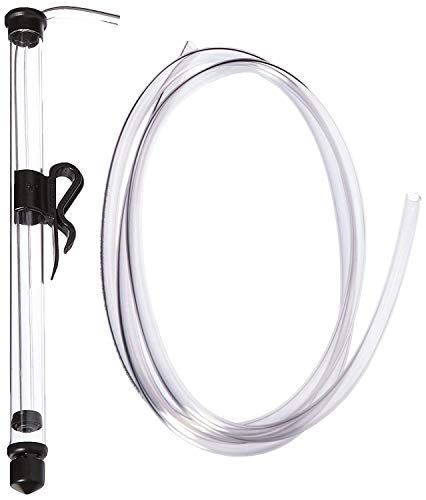
Fermtech Auto-Siphon Mini with 6 ft of tubing
A 14 inch auto-siphon that starts with one pump and fits openings as small as one inch, sized for one-gallon jugs.


After Fermentation: Clearing, Stabilizing and Aging
A finished fermentation is not a finished wine. Clemson Extension leaves the wine in secondary to clarify, which may take a few days or a few weeks depending on the wine, and bottles once it tastes good and is as clear as you want. If you plan to back-sweeten, stabilize first: NDSU Extension recommends potassium sorbate to keep yeast from restarting, and warns that skipping it can make bottles burst.
How Long Before Homemade Wine Is Drinkable
The Virginia Cooperative Extension guide suggests aging white wines at least six months and red wines nine to twelve months. NDSU Extension adds that wine is technically ready at bottling, but goes through bottle shock that can last three weeks or more, and recommends at least two months in the bottle, with a year being better. Put together, a fruit or white wine started this month could reasonably be opened in about half a year; a red made from fresh grapes is closer to a year from crush to glass. When the wine is clear and stable, our guide on how to bottle and cork homemade wine takes you through bottling day.
Does a Longer Fermentation Make Stronger Wine?
Not by itself. Alcohol comes from sugar, so the strength of a wine is set by how much sugar the must had at the start and how much the yeast converts, which you can read from the gravity at the start and at the end. Once the gravity has dropped below 1.000 and stopped moving, leaving the wine longer does not add alcohol. Each yeast strain also has an alcohol tolerance, listed by the maker, beyond which it stops working; our best wine yeasts page compares common strains. To plan a stronger or lighter wine, adjust the starting sugar with the sugar calculator.