Homemade wine guide
How Long Does Homemade Wine Last?
As an Amazon Associate we earn from qualifying purchases. How we choose products.
On this page
Homemade wine that fermented cleanly, was stabilized and is stored on its side in a cool, dark place can keep for years. The idea that homemade wine goes bad after two years is a myth: WineMaker magazine’s Wine Wizard calls it absolutely a falsehood, and puts the difference down to the fruit you start with and how carefully the wine is made and stored.
Once you open a bottle, the clock runs much faster. Keep the leftover wine corked in the refrigerator and plan to finish it within a few days.
How Long Homemade Wine Lasts, Stage by Stage
| Stage | How long | What it depends on |
|---|---|---|
| Freshly bottled | Drinkable at once, better after at least 2 months; 1 year is better still | Bottle shock, which NDSU Extension says can last three weeks or more |
| Bottled and cellared | Years, if made and stored well | Acidity, alcohol, sulfite and storage, per WineMaker |
| In the carboy | Months, if kept topped up and sulfited | Air in the headspace and free sulfite levels |
| Opened bottle | A few days, corked and refrigerated | Oxygen; less air in the bottle means a longer life |
These are ranges, not deadlines. A wine with good acidity and enough alcohol will outlast a soft, low-alcohol fruit wine made with the same care.
What Decides How Long It Keeps
The Wine Wizard column lists four things that help homemade wine age: adequate acidity, with some winemakers liking a pH of 3.3 to 3.6; alcohol of 12% and above; microbiological stability; and proper storage. It names heat, light, oxygen and microbes as wine’s worst enemies while it ages.
Acidity
North Dakota State University Extension’s Getting Started With Home Winemaking notes that most wine sits at a pH of 3.3 to 3.7, which helps prevent the growth of most types of microorganisms. A flat, low-acid wine is both less pleasant and less protected.
Alcohol
Alcohol is a preservative in its own right. If your wines tend to finish below 11%, our guide on making homemade wine stronger covers how to raise the starting sugar.
Sulfite
Sulfite protects wine against oxidation and spoilage, but it does not last forever. Oklahoma State University Extension explains that free sulfite binds up over time as it works, which is why recipes add it again at racking and before bottling. Our Campden tablet guide and sulfite calculator cover the doses.
Residual sugar
A sweet wine that still has live yeast can start fermenting again in the bottle. NDSU Extension recommends potassium sorbate for any wine with residual sugar or that you plan to sweeten, and warns that skipping it can make bottles explode. See our guide on how to backsweeten wine for the safe order of steps.
How to Store Homemade Wine
NDSU Extension’s advice is short: store bottles on their sides in a cool, dark place. Lying down keeps the cork moist so it does not dry out and shrink, and darkness prevents the color changes and oxidation that come with long exposure to light. The Wine Wizard adds that the space should be relatively humid.
- Pick the coolest dark spot you have, such as a basement or an interior closet, away from heaters and appliances.
- Avoid places where the temperature swings from day to night, like a garage or attic.
- Label every bottle with the wine and the bottling date, so you know which batch to open first.
Good corks and a proper corker matter here. Our guide on how to bottle and cork wine covers closures that hold up for long aging.
How Long Does an Opened Bottle Last?
Oxygen starts changing wine the moment it is opened. Kendall-Jackson’s guide to storing open wine recommends putting both white and red wine back in the refrigerator after opening, and warns that delicate reds can taste flat after a few days. Its best trick is to pour the leftover wine into a clean 375 ml half bottle filled right to the top, so very little air touches it.
Take a red out of the refrigerator half an hour before you want to drink it. If an opened bottle starts to smell sharp or of vinegar, cook with it or pour it out.
Does Homemade Wine Go Bad?
It can, and the signs are easy to spot once you know them:
- Vinegar or nail polish smell: acetic acid bacteria have been at work. The University of Georgia Extension guide to home winemaking explains that air contact lets these bacteria turn the alcohol into vinegar.
- Sherry, bruised apple or cardboard smell, and browning: oxidation, which the Australian Wine Research Institute describes as ranging from dull aromas to straw, hay and sherry-like characters.
- A white skin on the surface: film yeast, a sign that the wine sat with too much air above it.
- Fizz or a pushed-out cork in a still wine: fermentation restarted in the bottle.
Our guide to wine faults explains each one, what causes it and whether it can be fixed.
Is Homemade Wine Safe to Drink?
Wine made from clean fruit or juice with good sanitation is an ordinary fermented drink, and its acidity and alcohol work against most microorganisms, as NDSU Extension notes. Spoiled wine usually announces itself with a smell or look you would not want to drink anyway.
The methanol poisoning stories you may have read are about something else. The World Health Organization’s information note on methanol poisoning outbreaks traces them to methanol added to illicitly or informally produced drinks, and to adulterated counterfeit or informally produced spirit drinks. That is one more reason never to distill homemade wine, which federal law prohibits at home anyway.
Common sense still applies: do not drink a wine with fuzzy mold growing on it, and use food-grade equipment and additives from start to finish.
Supplies That Help Homemade Wine Keep
Most of what makes wine last happens at bottling: sulfite, stabilizer if it is sweet, and a tight cork.
-
1Sulfite
Campden Tablets, Potassium Metabisulfite, 1 lb
One crushed tablet per gallon at bottling tops up the free sulfite that protects the wine while it ages.
-
2Stabilizer
North Mountain Supply Potassium Sorbate, 2 oz
Needed for any wine you sweeten or that still has sugar left, so it does not start fermenting in the bottle.
-
3Corks
FastRack #9 Straight Wine Corks, bag of 100
Full-size #9 corks for standard 750 ml bottles meant to lie on their sides for a long time.
-
4Corker
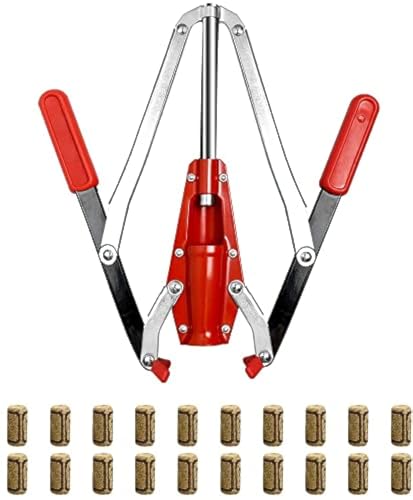
FastRack Double Lever Corker with 20 corks
A hand corker that drives straight corks into standard bottles, enough for most home batches.