Step-by-step guide
How to Make Mead (Honey Wine)
As an Amazon Associate we earn from qualifying purchases. How we choose products.
On this page
Mead is wine made from honey instead of grapes: honey, water and yeast, fermented in a jug under an airlock. If you want to know how to make mead at home, the short answer is that it is one of the simplest ferments there is. You dissolve honey in water, add a wine yeast and a little yeast nutrient, let it ferment for a few weeks, then rack it off the sediment and let it age until it tastes the way you like.
This guide walks through a traditional 1-gallon batch from start to finish: the equipment, how much honey to use, which yeast to pick, the timings, and how to know when your honey wine is ready to bottle. The timings and temperatures come from the American Homebrewers Association's mead tutorial, the strength and sweetness ranges from the Beer Judge Certification Program, and the yeast specs from the manufacturers. You need to be of legal drinking age to make and drink mead; enjoy it responsibly.
What you need for a 1-gallon batch
If you would rather buy everything in one box, see our comparison of the best mead making kits. Otherwise these five items cover a first gallon.
-
1Fermenter
North Mountain Supply 1 Gallon Glass Fermenting Jug with Handle & Airlock
A 1-gallon glass jug sold with an airlock, the classic small-batch fermenter for mead, wine and cider.
-
2Honey
Amazon Grocery Wildflower Pure Honey, 80 oz
One 5 lb bottle of wildflower honey, enough for a 1-gallon batch with some left over for backsweetening.
-
3Yeast
Lalvin 71B Wine Yeast, 10 packs
A wine yeast Lallemand rates at 14% alcohol tolerance, a common pick for fruity, medium-strength meads.
-
4Yeast nutrient
The label directs 1 teaspoon per gallon before fermentation starts; honey alone is a thin diet for yeast.
-
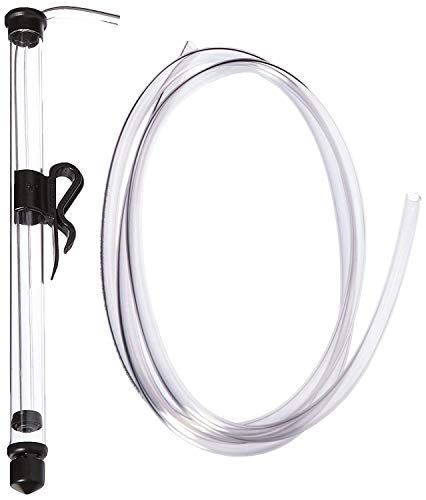
5Transfer
Fermtech Auto-Siphon Mini with 6 ft of tubing
A 14-inch mini auto siphon made for small batches, for racking off the sediment and bottling.


What Is Mead?
Mead is a fermented drink in which honey supplies the sugar. Honey is mostly sugar already: the USDA's FoodData Central entry for honey (SR Legacy, 2019) lists 82.1 g of total sugars per 100 g, mainly fructose (40.9 g) and glucose (35.8 g), with 17.1 g of water. Yeast converts those sugars into alcohol and carbon dioxide, exactly as it does with grape juice when you make wine from grapes.
Under US federal rules a honey wine is a type of wine. The Alcohol and Tobacco Tax and Trade Bureau's regulation on agricultural wine, 27 CFR 24.200, names honey wine directly, which is why the home winemaking allowance covers mead too (more on that below).
Mead Strength: Hydromel, Standard and Sack
The Beer Judge Certification Program's Introduction to Mead Guidelines (2015) groups meads by strength and by sweetness. Strength depends on how much honey goes in, which shows up as the original gravity (OG) you read on a hydrometer before fermentation:
| Strength | Original gravity | Alcohol (ABV) |
|---|---|---|
| Hydromel (light) | 1.035 to 1.080 | 3.5 to 7.5% |
| Standard | 1.080 to 1.120 | 7.5 to 14% |
| Sack (strong) | 1.120 to 1.170 | 14 to 18% |
For a first batch, aim for the middle of the standard range. It ferments reliably with a common wine yeast and is ready to drink sooner than a sack mead.
Dry, Semi-Sweet or Sweet
Sweetness is a separate choice from strength. The same BJCP guidelines put dry meads at a final gravity (FG) of 0.990 to 1.010, semi-sweet at 1.010 to 1.025 and sweet at 1.025 to 1.050. You get there in two ways: start with more honey than the yeast can ferment, so some sugar is left over, or ferment dry, stabilize the mead and add honey back at the end. The second route is easier to control, and we explain it in the steps below.
Choosing Your Honey
Honey is the only flavor source in a traditional mead, so it is worth a moment of thought. Any pure honey will ferment. What changes is the taste and aroma that survive fermentation.
Wildflower, Clover or a Single Varietal
Wildflower and clover honeys are the everyday choice: mild, easy to find in large jars and forgiving for a first batch. Single-varietal honeys such as orange blossom carry a more distinctive aroma into the finished mead. Whatever you choose, read the label and buy pure honey; blends with added syrups change both flavor and gravity.
How Much Honey per Gallon
Most 1-gallon kits are built around 2 to 3 pounds of honey. The Must Bee kit's recipe, for example, uses 2.5 lb of honey in a gallon and ferments it to a dry mead. Honeys differ in water content, so treat the pound figure as a starting point and let the hydrometer decide: mix the must, take a reading, and add honey until you land in the original gravity range for the strength you want. Our ABV calculator turns your two readings into an alcohol figure.
Choosing a Yeast for Mead
Bread yeast will ferment honey, but a wine yeast gives cleaner flavors, higher alcohol tolerance and more predictable results. Three Lallemand strains cover most meads. The figures come from Lallemand's product page for 71B and from the manufacturer's listing for EC-1118 and K1-V1116:
| Yeast | Alcohol tolerance | Temperature range | Good for |
|---|---|---|---|
| Lalvin 71B | 14% | 59 to 86°F (15 to 30°C) | Fruity, medium-strength meads and melomels |
| Lalvin EC-1118 | Up to 18% | 50 to 86°F (10 to 30°C) | Dry or strong meads, restarting stuck ferments |
| Lalvin K1-V1116 | Up to 18% | 50 to 95°F (10 to 35°C) | Floral, aromatic meads; strong meads |
If you want a sweeter standard mead without stabilizing, a yeast with a lower tolerance such as 71B (Lallemand rates it at 14%) will stop earlier than EC-1118. For a deeper look at strains, see our guide to the best wine yeasts.
Recipe card
Traditional 1-Gallon Mead
- Makes
- About 1 gallon, roughly four to five 750 ml bottles after racking
- Time to drink
- 2 to 3 weeks fermenting, then weeks to months of aging
- Difficulty
- Beginner
Ingredients
- 2.5 to 3 lb pure honey (adjust to your target gravity)
- Spring or filtered water to make 1 gallon
- 1 sachet (5 g) wine yeast such as Lalvin 71B or EC-1118
- 1 teaspoon yeast nutrient such as Fermax
- No-rinse sanitizer for all equipment
Method
- Clean and sanitize the jug, funnel, airlock, stopper and spoon.
- Warm the closed honey container in a bowl of warm water so it pours easily. Do not boil it.
- Half-fill the jug with water, pour in the honey and shake or stir until no honey layer remains.
- Top up with water to the shoulder of the jug, leaving room for foam, and take a hydrometer reading.
- Check the must is around 65 to 75°F, rehydrate the yeast as its packet directs, then pitch it and add the nutrient.
- Fit the stopper and airlock and keep the jug at 60 to 70°F, out of direct light.
- When bubbling slows, usually after 2 to 3 weeks, siphon the mead off the sediment into a clean jug and fit the airlock again.
- Age until clear, then bottle once two hydrometer readings taken 1 to 2 weeks apart are the same.
Temperatures and timings follow the American Homebrewers Association's mead tutorial; the nutrient dose follows the Fermax label.
How to Make Mead, Step by Step
The recipe card above is the short version. Here is what each stage involves and what to watch for.
1. Clean and Sanitize Everything
Anything that touches the honey water, which winemakers call the must, needs to be clean and then sanitized. The American Homebrewers Association's How to Make Mead tutorial (2018) recommends cleaning with an unscented cleanser first, because debris can shelter microorganisms even after sanitizing, then using a no-rinse sanitizer.
2. Mix the Must Without Boiling
The AHA method uses no heat on the must at all, to protect the honey's aroma. Warm the closed honey jar in a bowl of warm water so it flows, half-fill the fermenter with water, add the honey and mix until the liquid is uniform. If you see a darker, denser layer at the bottom, keep mixing: undissolved honey gives a false hydrometer reading.
3. Measure the Original Gravity
Before the yeast goes in, take a hydrometer reading and write it down. This number tells you how strong the mead will be and is the starting point for every later decision. If you have never used one, our guide on how to use a hydrometer covers it in a few minutes.
4. Pitch the Yeast and Nutrient
The AHA suggests letting the must reach 65 to 75°F (18 to 24°C) before adding yeast, and recommends rehydrating dry yeast following the manufacturer's directions. Give the jug a good shake first: yeast needs oxygen at the start. Then add the nutrient. The Fermax label directs 1 teaspoon per gallon before fermentation begins; the AHA tutorial also points to staggered nutrient additions for healthier ferments, which many mead makers use on bigger batches.
5. Primary Fermentation
Seal the jug with a stopper and airlock filled with sanitizer or water, and keep it somewhere at 60 to 70°F, where the AHA notes cooler is better. Signs of fermentation, a bubbling airlock and a little foam, usually appear within 24 hours. After 2 to 3 weeks the bubbling slows or stops.
6. Rack and Age
Once primary fermentation slows, siphon the mead off the yeast sediment into a clean jug, leaving the sediment behind, and fit the airlock again. Avoid splashing from now on: oxygen at this stage dulls flavor and shortens shelf life. Then let it age. The AHA suggests a few weeks to a few months as a starting point, and leaves the final call to you; many mead makers age stronger batches much longer.
7. Stabilize, Sweeten if You Like, and Bottle
Fermentation is finished when your hydrometer gives the same reading over 1 to 2 weeks; bottling before that risks pressure building in the bottles. If you want a sweeter mead, stabilize it first (see our guide to Campden tablets and sulfite), then stir in honey to taste. When it is clear and stable, bottle it; our guide to bottling and corking covers the rest.
Mead Variations to Try Next
A traditional mead is honey, water and yeast only. The BJCP guidelines then group flavored meads into families, each a small step from the recipe above.
Melomel (Fruit Mead)
Add fruit to the must or to the secondary jug: berries, cherries and stone fruit are popular. The fruit adds its own sugar, so take your gravity reading after the fruit goes in. Our guide to making wine from fruit explains how to prepare it.
Metheglin (Spiced Mead)
Spices such as cinnamon, orange peel or vanilla turn a mead into a metheglin. Use a light hand and add them late, in a sanitized bag you can lift out, so you can taste as you go. The Must Bee kit includes a spice packet built on orange peel, coriander and cinnamon if you want a ready-made blend.
Session Mead (Hydromel)
Use less honey for an original gravity between 1.035 and 1.080 and you get a light hydromel of 3.5 to 7.5% ABV by the BJCP ranges. It ferments quickly and is pleasant young.
Common Mead Making Mistakes
- Boiling the honey. Heat drives off the aroma that makes a traditional mead taste of honey; warm the jar instead.
- Skipping the nutrient. Honey and water make a thin diet for yeast; the Fermax label says its nutrient improves attenuation and the speed of fermentation, and a starved ferment can drag on for months.
- Fermenting too warm. Stay inside your yeast's range; the AHA recommends 60 to 70°F for primary.
- Guessing instead of measuring. Without an original gravity reading you cannot calculate strength or know when fermentation has ended.
- Bottling too early. Wait for stable hydrometer readings over 1 to 2 weeks before bottling.
- Splashing after fermentation. Rack gently once the yeast has done its work.
Is It Legal to Make Mead at Home?
In the United States, yes, for personal use. The federal home winemaking rule, 27 CFR 24.75, lets any adult produce wine for personal or family use and not for sale, without paying tax. The limit per household is 200 gallons per calendar year where two or more adults live, or 100 gallons where there is one adult. The rule defines an adult as 18 or older, unless the locality sets a higher minimum age for buying wine, in which case that age applies. State and local laws can add their own limits, so check yours.