Apple Wine Recipe
As an Amazon Associate we earn from qualifying purchases. How we choose products.
On this page
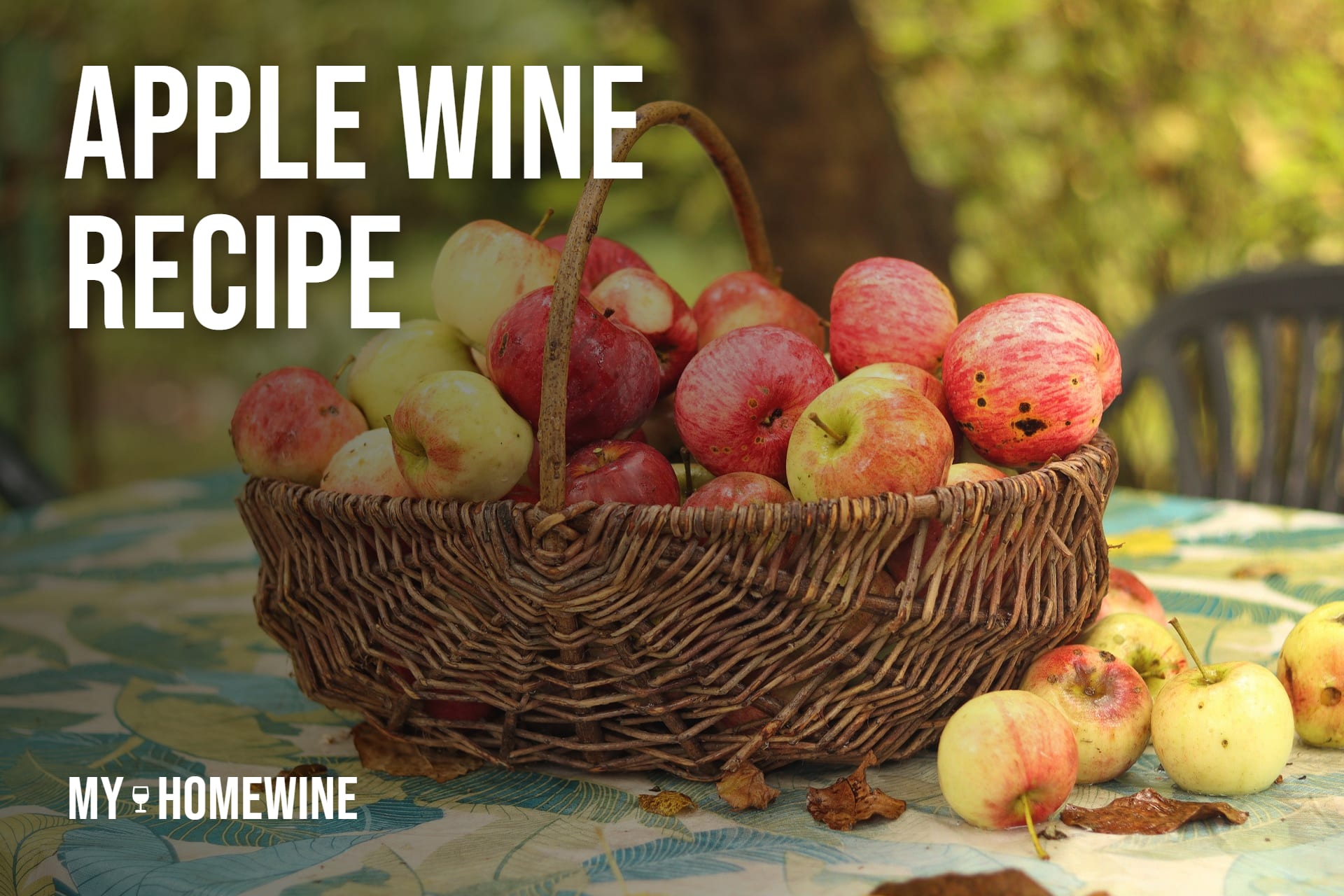
Apple wine is one of the easiest country wines to make at home: apples are cheap in the fall, they keep well, and their juice ferments cleanly. This apple wine recipe makes 1 gallon (about five 750 ml bottles) and scales straight up to 5 gallons. It follows the apple wine formula published by North Dakota State University Extension in its home winemaking guide (FN1638, reviewed in August 2026), with our notes on each step.
Apple wine is not the same thing as hard cider. Cider is apple juice fermented more or less on its own; apple wine adds water and sugar so the result has the alcohol and body of a table wine. If straight juice is what you want, follow our guide on how to make hard cider instead.
What you need for a 1-gallon batch
Apart from the apples and sugar, this is the short list. Everything here is reusable except the additives, which last for many batches.
-
1Fermenter
FastRack 1 Gallon Glass Jug with Airlock and #6.5 Bung
A clear 1-gallon (3.8 liter) glass jug sold with a drilled #6.5 rubber bung and a twin bubble airlock, the standard small-batch fermenter.
-
2Straining bag
Bellamei Brew Bags, 16 x 11 and 18 x 16 Inch (2 Pack)
Two fine polyester mesh bags (250 micron) that hold the crushed apple pulp while the juice drains or ferments around it.
-
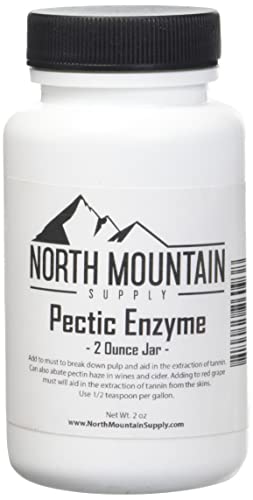
3Pectic enzyme
North Mountain Supply Pectic Enzyme, 2 oz
Breaks down fruit pectin, which the maker says improves juice extraction and reduces pectin haze in the finished wine.
-
4Acid blend
North Mountain Supply Acid Blend, 4 oz
A mix of malic, citric and tartaric acid; the label says one teaspoon per gallon raises acidity by 0.1%.
-
5Wine yeast
Lalvin EC-1118 Wine Yeast (10 Pack)
Ten 5 g sachets of a robust strain the listing rates for fruit and cider fermentations, up to 18% alcohol and 50 to 86°F.
-
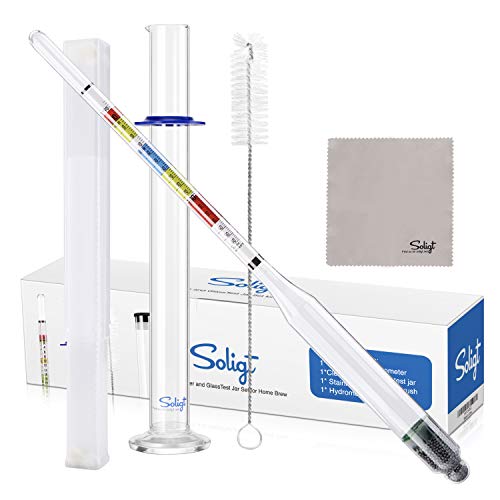
6Hydrometer
SOLIGT Triple Scale Hydrometer and Glass Test Jar
Reads specific gravity from 0.990 to 1.170, Brix and potential alcohol, so you can hit the target gravity and know when the wine is done.




How Many Apples Do You Need for 1 Gallon of Wine?
NDSU's apple wine recipe calls for 7 to 16 pounds of apples per gallon, topped up with water to the full gallon. That is a wide range on purpose: the extension notes that the minimum amount of fruit produces a light-flavored wine, while the maximum gives a fuller-bodied wine. If this is your first apple wine, aim for the middle, around 10 to 12 pounds.
To put the weight in apples you can picture, a Skagit County WSU Extension article from September 2023 says you need thirty to forty apples to press a single gallon of juice. Apple wine uses less juice per gallon than cider because water makes up part of the volume, which is why a few pounds of fruit go further here.
Which Apples Make the Best Wine?
Any sound, ripe apple works. What changes is the balance. Penn State Extension points out that the flavor of a fermented apple drink depends on the fruit's acidity, sugar content and tannin levels, and the cider makers quoted by WSU recommend blending varieties rather than relying on one. In practice that means mixing:
- Sweet apples for sugar and body (late-season dessert apples).
- Tart apples for crispness, so the wine does not taste flat.
- A few crab apples or russets if you can find them, for tannin and a slightly drier finish.
Windfalls are fine for wine as long as you cut away bruised, rotten or insect-damaged parts. The WSU article quotes a cider researcher who treats fermentation as a kill step for pathogens, but still recommends trimming damaged fruit and washing it well, because poor fruit makes poor wine.
Fresh Apples, Juice or Frozen Fruit
You can start from whole apples or from pressed juice. Store-bought juice works only if it is 100% juice without preservatives; read the label for potassium sorbate or sodium benzoate, which stop yeast. NDSU also notes that freezing and then thawing fruit softens it and helps the juice come out, so apples that will not be processed right away can go in the freezer.
Recipe card
Apple wine, 1 gallon
- Makes
- 1 gallon, about five 750 ml bottles
- Time to drink
- 4 to 6 months
- Difficulty
- Beginner
Ingredients
- 7 to 16 lb apples (10 to 12 lb for a medium body)
- Water to make 1 gallon
- About 2 lb sugar, adjusted to a specific gravity of 1.085 to 1.090
- 2¼ tsp acid blend
- ½ tsp pectic enzyme
- ¼ tsp wine tannin
- 1 tsp yeast nutrient
- 1 Campden tablet, crushed
- 1 packet wine yeast (EC-1118 or similar)
Method
- Wash, quarter and core the apples, cutting out bruises. Chop finely, crush the pulp and press or squeeze the juice through a straining bag into the primary fermenter.
- Add the crushed Campden tablet straight away to limit browning, then water to make 1 gallon.
- Stir in everything except the yeast. Take a hydrometer reading and add sugar until it reads 1.085 to 1.090.
- Cover and wait 24 hours, then sprinkle the yeast over the juice and fit an airlock or a clean cloth.
- When the gravity falls to 1.010 to 1.020, rack the wine into a glass jug and fit an airlock.
- Fermentation takes three to four weeks. When readings stop falling below 1.000, rack off the sediment, top up, and let the wine clear for 8 to 12 weeks.
- Bottle once it is clear. NDSU suggests not tasting for at least six weeks.
Quantities from NDSU Extension, «From the Garden or Orchard to the Table: Getting Started With Home Winemaking» (FN1638). For 5 gallons, multiply every ingredient by five; one packet of EC-1118 is rated for up to 23 liters, so one sachet still covers it.
How to Make Apple Wine, Step by Step
The card above is the short version. Here is what each step does and where first batches usually go wrong. Before you start, wash and sanitize everything that will touch the juice: fermenter, spoon, jug, hydrometer and tubing.
1. Prepare and Crush the Apples
Quarter the apples and remove stems and seeds. Apples are firm, so they need more than a potato masher; the University of Georgia Extension guide to winemaking at home (C717) says solid fruits such as apples give much better results when they are crushed in a food chopper. A food processor on short pulses or a fruit crusher does the same job. For larger batches, a press saves a lot of effort: see our guide to the best wine and fruit presses.
2. Protect the Juice
Apple juice browns quickly once it meets air. NDSU's recipe adds the crushed Campden tablet as soon as the juice is pressed for that reason. One tablet per gallon also knocks back the wild yeast and bacteria that come in on the skins; NDSU describes this as dosing potassium metabisulfite at about 50 parts per million of SO2. Our page on Campden tablets covers the dosing in more detail.
3. Balance Sugar and Acid
This is where apple wine differs from grape wine. Apples have too little sugar to reach wine strength on their own once you add water, and the UGA guide notes that apple wine is low in acidity and needs citric acid or lemon juice to improve the flavor. That is why the recipe includes acid blend. Measure the specific gravity with your hydrometer and add sugar a little at a time; NDSU gives a handy rule of thumb that 11 grams of sugar per liter of must raises the gravity by about 0.004. Our sugar calculator does the arithmetic for you, and how to use a hydrometer explains the readings.
4. Pitch the Yeast
Wait 24 hours after the Campden tablet so the sulfite can dissipate, then add the yeast. Keep the fermenter at an even temperature; NDSU recommends 65 to 80°F for wine fermentation, and cooler temperatures in that range keep more of the delicate fruit aroma that apple wine depends on.
5. Rack, Clear and Wait
Move the wine off the heavy sediment into a glass jug when the gravity reaches 1.010 to 1.020, and fit an airlock. When fermentation finishes, NDSU says to rack again and let the wine settle for another eight to twelve weeks, topping up the jug so there is little air above the wine. Sanitized glass marbles are an alternative to topping up. Our guide on how long wine takes to ferment explains how to tell when it is really done.
6. Bottle and Age
Bottle only when the wine is clear and the gravity has stayed the same for several days. NDSU recommends aging wine at least two months after bottling, and one year is better. If you want a sweeter apple wine, stabilize it before adding sugar, otherwise it can start fermenting again in the bottle. How to bottle and cork wine walks through corks, corkers and storage.
Apple Wine Variations
Old-Fashioned Apple Wine
Older recipes replace the packaged additives with kitchen ones. The UGA guide's apple and crabapple recipe uses lemon juice for acid and minced raisins as the yeast nutrient, and builds the sugar up gradually with a syrup of two cups of sugar dissolved in one cup of boiling water, added a few cups at a time. It is a slower method, but it needs nothing from a homebrew shop except the yeast. Expect a slightly darker color from the raisins.
Spiced Apple Wine
Add one cinnamon stick and two or three cloves to the secondary jug for a week, then taste and remove them. Spices keep extracting, so it is easier to add more later than to take flavor out.
Crab Apple Wine
The UGA guide lists apple and crabapple wine in the same recipe. Crab apples are sharper and more tannic, so cut the acid blend in half and taste before adding tannin.
Common Apple Wine Mistakes
- Too little acid. Without acid blend or a tart apple share, apple wine tastes flat and spoils more easily.
- Skipping the hydrometer. Guessing the sugar gives either a thin wine or one that stops sweet and strong.
- Bottling too early. Wine that is still fermenting builds pressure in the bottle and pushes corks.
- Leaving too much air in the jug. Apple wine is pale and shows oxidation quickly; keep the jug topped up.
- Breaking every seed. Crushing seeds adds bitterness; remove them before chopping.
Is It Legal to Make Apple Wine at Home?
In the United States, yes, for personal use. Under 27 CFR 24.75, any adult may produce wine for personal or family use without paying tax, up to 100 gallons a year in a one-adult household and 200 gallons where two or more adults live. You cannot sell it, and some states add their own rules. Making and drinking wine is only for people of legal drinking age.