Cherry Wine Recipe
As an Amazon Associate we earn from qualifying purchases. How we choose products.
On this page
Cherry wine makes a deep red, fruit-forward country wine from a fruit many people grow in the backyard. This cherry wine recipe makes 1 gallon and scales to 5. It follows the cherry wine recipe in North Dakota State University Extension's guide to home winemaking (FN1638, reviewed in August 2026), with notes on the one thing that sets cherries apart from other fruit: the pits.
Sweet cherries, tart pie cherries and wild cherries all ferment. Sweet cherries give a softer, darker wine; tart cherries give a sharper, brighter one and need less added acid. Many home winemakers blend the two. Whatever you use, start with ripe, sound fruit, because the wine can only be as good as the cherries.
What you need for a 1-gallon batch
Cherries ferment on the pulp in a bag, then finish in a glass jug. These are the essentials besides the fruit and sugar.
-
1Fermenter
FastRack 1 Gallon Glass Jug with Airlock and #6.5 Bung
A clear 1-gallon glass jug with a drilled rubber bung and twin bubble airlock for the secondary fermentation and clearing.
-
2Straining bag
Bellamei Brew Bags, 16 x 11 and 18 x 16 Inch (2 Pack)
Two fine 250 micron mesh bags: the pulp ferments inside one and lifts out in a single move when the recipe says to remove it.
-
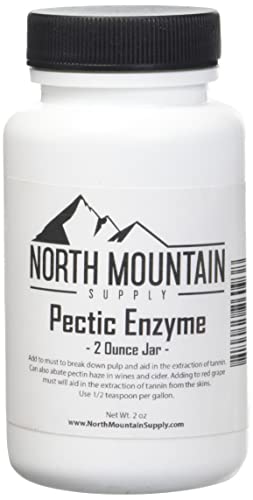
3Pectic enzyme
North Mountain Supply Pectic Enzyme, 2 oz
Breaks down fruit pectin; the maker says it improves juice extraction and reduces pectin haze.
-
4Wine tannin
North Mountain Supply Wine Tannin, 2 oz
The recipe calls for ¼ teaspoon per gallon; the maker describes tannin as adding depth and earthy tones to red wines.
-
5Wine yeast
Lalvin EC-1118 Wine Yeast (10 Pack)
One of the two strains NDSU names for its cherry wine; rated to 18% alcohol and 50 to 86°F on the listing.
-
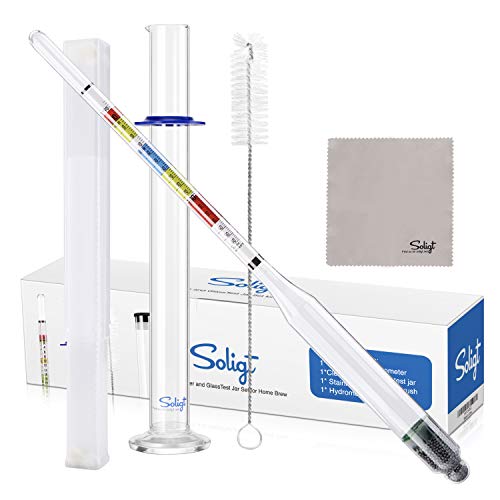
6Hydrometer
SOLIGT Triple Scale Hydrometer and Glass Test Jar
Reads specific gravity from 0.990 to 1.170, the readings that tell you when to add sugar, when to remove the pulp and when the wine is done.




How Many Cherries for a Gallon of Wine?
NDSU's cherry wine uses 3 pounds of cherries per gallon, with water to fill the gallon and sugar to bring the specific gravity up to 1.085 to 1.090. That rate is in line with the general guidance in the same publication, which notes that many fruit wine recipes call for 3 to 5 pounds of fruit per gallon. If you want a heavier, more intense cherry wine, you can push toward 4 or 5 pounds; taste the must and expect a darker color and more acid.
Sweet, Tart or Wild Cherries
- Sweet cherries (Bing and similar dark varieties) give color and body. They are the low-acid choice, so keep the full teaspoon of acid blend.
- Tart cherries (Montmorency and other pie cherries) give a brighter, sharper wine. Taste before adding acid, and reduce or skip the acid blend if the must is already sour.
- Wild cherries such as chokecherries are small and mostly pit, so you need more weight of fruit for the same flavor. Pit handling matters even more here.
Fresh or Frozen
Frozen cherries are an excellent shortcut. NDSU notes that freezing and thawing softens fruit and helps juice extraction, and frozen pitted cherries from the store save the most tedious step. Use plain fruit without added sugar syrup or preservatives.
The Cherry Pit Problem
Stone fruit pits are the reason cherry wine needs a little more care than berry wine. NDSU's publication warns not to break the pits of stone fruits such as cherries or plums, because they contain a cyanide-forming compound that adds a bitter taste to the wine. Its cherry recipe gives two options:
- Pit the cherries. NDSU notes this makes them easier to crush. A cherry pitter speeds it up.
- Leave them whole and crush gently, taking care not to crack the stones, then keep everything in a straining bag so the pits come out with the pulp.
Do not run unpitted cherries through a blender or food processor. If you want a hint of the almond-like note some old recipes chase, get it from a splash of almond extract at bottling rather than from cracked stones.
Recipe card
Cherry wine, 1 gallon
- Makes
- 1 gallon, about five 750 ml bottles
- Time to drink
- 4 to 6 months
- Difficulty
- Beginner
Ingredients
- 3 lb cherries, stemmed (pitted if you like)
- Water to fill 1 gallon
- About 2¼ lb sugar, adjusted to a specific gravity of 1.085 to 1.090
- 1 tsp acid blend (less for tart cherries)
- ¼ tsp wine tannin
- 1 tsp yeast nutrient
- ½ tsp pectic enzyme
- 1 Campden tablet, crushed
- 1 packet wine yeast, such as EC-1118 or K1-V1116
Method
- Wash and sort the cherries, removing stems, leaves and any damaged or overripe fruit. Pit them, or crush gently without breaking the stones.
- Squeeze the juice into the fermenter through a straining bag. For a full-flavored wine, tie the bag and leave the pulp in the fermenter.
- Add water to fill the gallon and every other ingredient except the yeast. Take a hydrometer reading and adjust the sugar to 1.085 to 1.090.
- Let the must stand for 24 hours, then add the yeast and cover the fermenter.
- In three to five days, when the gravity reaches 1.020 to 1.030, remove the bag and squeeze the wine from the pulp.
- Move the wine to a glass jug with an airlock and keep it between 68 and 80°F until fermentation finishes below 1.000.
- Clear with fining agents or let it clear naturally for several months, then bottle.
Quantities from NDSU Extension, «From the Garden or Orchard to the Table: Getting Started With Home Winemaking» (FN1638). Multiply by five for 5 gallons.
How to Make Cherry Wine, Step by Step
Clean and sanitize every piece of equipment first: fermenter, bag, spoon, jug, hydrometer and tubing.
1. Prepare the Fruit
Wash and sort the cherries, pulling stems and leaves and discarding damaged, insect-infested or overripe fruit, as NDSU's recipe directs. Decide now whether to pit. If you leave the pits in, crush with a potato masher or by hand inside the bag, pressing just enough to split the skins.
2. Build the Must
Squeeze the juice through the bag into the fermenter, then tie the bag and leave it in if you want more color and flavor. Add water to fill the gallon, the acid blend, tannin, nutrient, pectic enzyme and the crushed Campden tablet. Take a hydrometer reading and add sugar until you reach 1.085 to 1.090; our sugar calculator works out the amount. The Campden tablet protects the must from wild yeast while it rests for 24 hours; our Campden tablet guide explains why one tablet per gallon is the usual dose.
3. Ferment on the Pulp
After 24 hours, add the yeast and cover the fermenter. Check the gravity after three to five days. When it has dropped to 1.020 to 1.030, NDSU says to lift out the bag, squeeze the wine from the pulp and move the wine to a glass jug with an airlock.
4. Finish Warm, Not Hot
NDSU's cherry recipe asks for a temperature of at least 68°F during the secondary stage, and not above 80°F. Cherry wine is finished when the gravity drops below 1.000 and stays put for several days; NDSU's publication notes that finished dry wine can read as low as 0.990. Our guide on how long wine takes to ferment covers what to do if it stalls.
5. Clear and Bottle
NDSU gives two ways to clear the wine: fining agents such as kieselsol and chitosan, or simply waiting several months for it to clear on its own. Rack it off the sediment before bottling and keep the jug topped up in the meantime. When it is bright, follow our steps on how to bottle and cork wine. NDSU's general advice is to age wine at least two months after bottling, and a year is better.
Cherry Wine Variations
Sweet Cherry Dessert Wine
Ferment dry, stabilize the wine, and then sweeten to taste before bottling. Sweetening an unstabilized wine invites a second fermentation in the bottle. A sweet cherry wine is a natural partner for chocolate desserts.
Cherry and Grape Blend
Replace a quarter of the water with 100% red grape juice without preservatives. The grape adds body and tannin and makes the wine taste more like a light red. Our guide on making wine from grape juice covers which juices ferment well.
Cherry Mead
Cherries and honey are a classic pairing. Ferment a traditional mead from our guide on how to make mead, then add cherries to the secondary jug for a week or two.
Common Cherry Wine Mistakes
- Cracking the pits. It adds bitterness that does not age out.
- Leaving the pulp in too long. Take the bag out at 1.020 to 1.030, as the recipe says, so the wine goes under an airlock while there is still enough fermentation to protect it.
- Fermenting too warm. NDSU caps this recipe at 80°F, and its general advice is that cooler fermentation keeps more of the delicate fruit aroma.
- Adding full acid to tart cherries. Taste first; pie cherries may need little or none.
- Bottling cloudy wine. Patience or fining agents fix haze; bottling does not.
In the United States, adults may make wine for personal or family use under 27 CFR 24.75, up to 100 gallons a year in a one-adult household and 200 gallons where two or more adults live. It cannot be sold, and making or drinking it is only for those of legal drinking age.