Cranberry Wine Recipe
As an Amazon Associate we earn from qualifying purchases. How we choose products.
On this page
Cranberry wine is a tart, ruby-colored fruit wine that is easy to make any time of year, because fresh cranberries freeze perfectly and unsweetened cranberry juice is on grocery shelves year round. This cranberry wine recipe makes 1 gallon and scales to 5. It uses the same structure as the fruit wine recipes in North Dakota State University Extension's home winemaking guide (FN1638), adapted for the one thing that makes cranberries different: acid.
A note on how this recipe was built. There is no extension-published cranberry wine recipe that we could find, so the quantities below combine NDSU's fruit wine method with published data on cranberry acidity. They are a well-reasoned starting point rather than a tested formula, which is why the method leans on measuring and tasting as you go.
What you need for a 1-gallon batch
Cranberry wine needs the standard small-batch gear. Note there is no acid blend on this list.
-
1Fermenter
FastRack 1 Gallon Glass Jug with Airlock and #6.5 Bung
A clear 1-gallon glass jug sold with a drilled rubber bung and twin bubble airlock, for fermenting and clearing.
-
2Straining bag
Bellamei Brew Bags, 16 x 11 and 18 x 16 Inch (2 Pack)
Fine 250 micron mesh bags to hold the chopped cranberries, so the skins and seeds lift out in one piece.
-
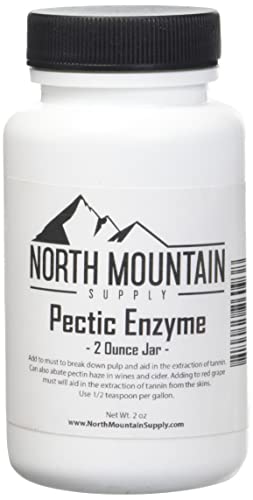
3Pectic enzyme
North Mountain Supply Pectic Enzyme, 2 oz
Cranberries are rich in pectin; the maker says the enzyme improves extraction and reduces pectin haze.
-
4Yeast nutrient
North Mountain Supply Yeast Nutrient, 3.5 oz
Diammonium phosphate and food-grade urea, one teaspoon per gallon according to the label; a sour, low-nutrient must benefits from it.
-
5Wine yeast
Lalvin EC-1118 Wine Yeast (10 Pack)
A robust strain the listing rates for fruit fermentations and up to 18% alcohol, a sensible choice for a harsh, acidic must.
-
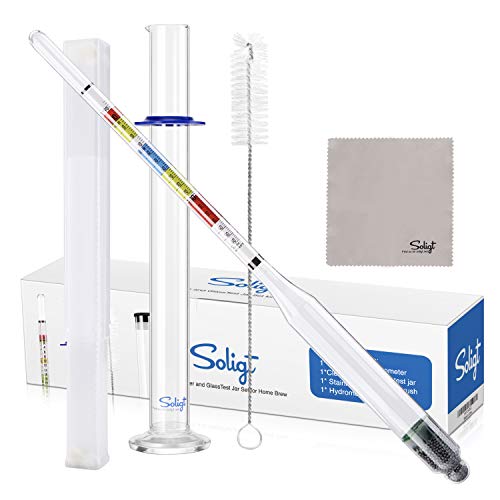
6Hydrometer
SOLIGT Triple Scale Hydrometer and Glass Test Jar
Specific gravity, Brix and potential alcohol scales; you need the gravity to set the sugar because cranberries contribute very little.




Why Cranberry Wine Is Different
Cranberries are far more acidic than most fresh fruit. A 2020 study listed by the USDA Agricultural Research Service (Fong and colleagues, Tree Genetics and Genomes) gives the titratable acidity of cranberry fruit as typically 2.3 to 2.5%, measured as citric acid, and notes that this is significantly higher than other fresh fruits such as apples and tangerines. The main acids are citric and malic.
Compare that with what a fruit wine needs. In his Cornell notes on strawberry wine production, Robert Kime describes diluting the fruit with water and sugar to bring acidity down to about 0.8%. Cranberry fruit starts at roughly three times that level. Two practical consequences follow:
- Skip the acid blend. Most fruit wine recipes add it; cranberry wine already has more acid than it needs. For scale, the acid blend we list on other recipes raises acidity by only 0.1% per teaspoon per gallon, according to its label.
- Use water generously. The fruit is there for flavor and color, and water and sugar make up most of the volume. That is also why cranberry wine needs more added sugar than richer fruits.
How Many Cranberries Per Gallon?
We start at about 3 pounds of cranberries per gallon, the same rate NDSU uses for its cherry wine and at the low end of the 3 to 5 pounds per gallon that its guide gives for fruit wines in general. With cranberries, staying at the low end is deliberate: more fruit means more acid as well as more flavor. If you like a bolder, sharper wine, go to 4 pounds and plan to sweeten more at the end.
Fresh, Frozen or Juice?
- Fresh or frozen berries. Frozen are often better. NDSU notes that freezing and thawing softens fruit and helps the juice come out, and cranberries are hard enough to need the help. Chop or pulse them coarsely after thawing.
- Unsweetened 100% cranberry juice. The quickest route. Choose juice with no added preservatives such as potassium sorbate or sodium benzoate, which stop yeast. Going by the acid figures above, about one part juice to two parts water is a reasonable starting dilution; juice can differ from whole fruit, so taste and adjust.
- Avoid cranberry juice cocktail for this recipe: it is already sweetened and blended, so you cannot control sugar or acid.
Recipe card
Cranberry wine, 1 gallon
- Makes
- 1 gallon, about five 750 ml bottles
- Time to drink
- 3 to 5 months
- Difficulty
- Intermediate
Ingredients
- 3 lb fresh or frozen cranberries, coarsely chopped (or about 1⅓ quarts unsweetened 100% cranberry juice)
- Water to make 1 gallon
- Sugar to a specific gravity of 1.085 to 1.090 (usually a little over 2 lb)
- No acid blend
- ¼ tsp wine tannin (optional)
- 1 tsp yeast nutrient
- ½ tsp pectic enzyme
- 1 Campden tablet, crushed
- 1 packet wine yeast (EC-1118)
Method
- Thaw frozen berries, then chop or pulse them coarsely and put them in a straining bag in the primary fermenter.
- Dissolve the sugar in part of the water, add it with the rest of the water, the nutrient, tannin, pectic enzyme and the crushed Campden tablet.
- Take a hydrometer reading and adjust with more sugar to reach 1.085 to 1.090.
- Cover and wait 24 hours, then add the yeast. Keep the must between 65 and 75°F and stir or press the bag down daily.
- After about a week, or when the gravity reaches about 1.020, lift out the bag and rack into a glass jug with an airlock.
- When readings stay below 1.000, rack off the sediment, top up and let the wine clear for two to three months.
- Stabilize and sweeten to taste if you like, then bottle.
Built from NDSU Extension's fruit wine method (FN1638) and USDA ARS cranberry acidity data, without acid blend. A starting point: measure the gravity and taste as you go.
How to Make Cranberry Wine, Step by Step
Clean and sanitize your fermenter, straining bag, spoon, jug, hydrometer and tubing first.
1. Prepare the Berries
Rinse fresh cranberries and pick out soft or moldy ones. Cranberries have tough skins, so whole berries give up very little juice; chop them coarsely or pulse them briefly in a food processor. Put the fruit in a straining bag in the primary fermenter.
2. Build a Balanced Must
Add the water, nutrient, pectic enzyme, optional tannin and the crushed Campden tablet, which NDSU's guide uses to neutralize wild yeast and bacteria at about 50 parts per million of SO2. Then set the sugar: take a reading with your hydrometer and add sugar until it reads 1.085 to 1.090. Because cranberries contribute so little sugar, almost all of it comes from the bag of sugar; our sugar calculator gives the amount, and our Campden tablet guide covers the sulfite side.
3. Ferment on the Fruit
Wait 24 hours, then add the yeast. NDSU recommends keeping fermenting wine between 65 and 80°F, and notes that cooler temperatures keep more of the fruity aromas; for cranberry, the lower half of that range is a good target. Press the bag down once a day so the fruit stays wet.
4. Move It to the Jug
After about a week, or when the gravity is around 1.020, lift out the bag, let it drain without squeezing too hard, and siphon the wine into a glass jug with an airlock. Acidic musts can ferment slowly, so do not worry if it takes longer than an apple or strawberry wine. Our guide on how long wine takes to ferment explains how to tell a slow fermentation from a stuck one.
5. Clear, Sweeten and Bottle
When the gravity stays below 1.000 for several days, rack the wine off its sediment and top up the jug. Give it two to three months to clear. Cranberry wine fermented fully dry is very tart, and most people prefer it with some sweetness, so this is the stage to stabilize the wine and then sweeten to taste. Never add sugar to a wine that has not been stabilized, or it can start fermenting again in the bottle. Then follow how to bottle and cork wine.
Cranberry Wine Variations
Cranberry Apple
Replace half the water with fresh apple juice without preservatives. Apples are low in acid, so they soften the cranberry's edge and add body. It pairs naturally with our apple wine recipe.
Cranberry Orange
Add the zest of one orange, without the white pith, to the straining bag. Zest adds aroma without much extra acid.
Cranberry Mead
Swap the sugar for honey and follow the timings in our guide on how to make mead. Honey's flavor rounds off cranberry's sharpness well.
Common Cranberry Wine Mistakes
- Adding acid blend out of habit. Cranberries already have far more acid than the wine needs.
- Using whole berries. Tough skins keep the juice in; chop them.
- Using juice with preservatives or cocktail blends. The yeast struggles and the sugar is out of your control.
- Judging it too early. Young cranberry wine tastes sharp and raw; it softens as it clears and ages.
- Sweetening without stabilizing. Live yeast plus new sugar means pressure in the bottle.
Adults in the United States may make wine at home for personal or family use under 27 CFR 24.75, up to 100 gallons a year in a one-adult household and 200 gallons with two or more adults. Selling it is not allowed, and making or drinking it is only for those of legal drinking age.